
You know how it feels, right?
The scratching sounds at night, disgusting droppings in the crawl spaces, and greasy, unhygienic smudges on your clean surfaces. Yes, we’re talking about rats.
Ever wondered how many rats are in the UK right now? The estimated count is about 150 million — more than double the current human population. When DIY solutions fail and your home turns into their new hotspot, it’s time to step up with a proper extermination plan.
So, if rats have taken over your property, it’s best to hire a professional rat control company to handle the problem safely. Wondering what do pest control do for rats? Let’s dive into that.
What Do Pest Control Do for Rats: Step-by-Step Process
Dealing with rats isn’t easy. Professionals understand how rats react to their approaches. That’s why they don’t rush — they assess the situation like experts, develop a tailored plan, and follow a detailed process to exterminate rats.
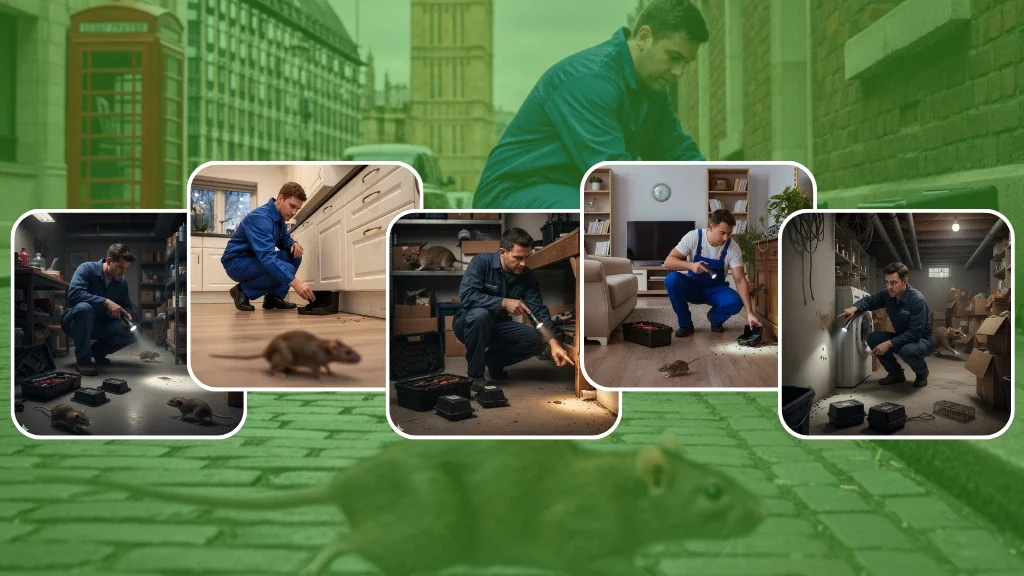
Here’s the step-by-step method that most professional rat control experts typically use:
Step-1: Initial Contact and Discussion
The process kicks off when a client reaches out to a professional rat control service. During this initial contact, details such as the scope of the service, duration, number of visits, and pricing are discussed to set clear expectations.
Step-2: Thorough Inspection and Assessment
Just like a building relies on a solid foundation, effective rat control depends on thorough inspection. A detailed inspection is the cornerstone of effective rat control.It involves assessing the severity of the infestation and pinpointing rat signs, nests, entry points, and hotspots of activity. This step is crucial to tailoring an effective treatment plan.
Step-3: Plan a Bespoke Treatment Strategy
Rat control specialists craft a tailored strategy by carefully assessing the infestation’s severity, the property’s size and layout, and the surrounding environment. Based on this comprehensive evaluation, they select the most effective methods—whether strategic trapping, targeted poisons, or more advanced techniques. This personalized approach not only addresses the immediate problem but also helps prevent future rat issues.
Step-4: How Professionals Execute a Rat Removal Plan
Experts understand the precise locations, timing, and quantities needed for effective rat control. Here’s a breakdown of the main strategies they use:
Trapping Methods:
Live Traps: Cages that catch rats alive, baited with food.
Lethal Traps: Snap traps that kill rats instantly upon contact.
Using Rodenticides and Baits:
Poison Baits: Tasty, toxic foods designed to attract and eliminate rats.
Professional Rodenticides: High-potency rat poisons used exclusively by professionals.
Anticoagulant Rodenticides: These cause internal bleeding and should only be used by certified technicians.
Cutting-Edge Techniques:
Fumigation: Deploying toxic gases in sealed spaces, a method strictly performed by experts.
Rat Riddance Connect: A smart trap that notifies you when a rat is caught and offers continuous monitoring.
UV Tracking Gel: Non-toxic gels that show rats’ movement pathways under UV light.
Step-5: Cleaning up dead pests and Sanitation
Cleaning up dead pests is a crucial, often overlooked part of effective rat control. While many professional packages include sanitation as a standard service, some customers may add it on separately to ensure thoroughness.
Removing dead rats isn’t just about hygiene—it’s about preventing foul odors, eliminating potential health hazards, and discouraging other pests from being attracted to the area.
Sanitization goes beyond mere cleanup; it involves disinfecting the affected surfaces, trapping points, and surrounding spaces to eliminate bacteria, pathogens, and any lingering contaminants. This comprehensive approach helps restore your property to a safe, clean, and pest-free environment, giving you peace of mind and reducing the risk of re-infestation.
Step-6: Rat Proofing the Property
Once the pests are gone, the real work begins: rat-proofing your property to prevent future invasions. The cornerstone of effective rat proofing is sealing all potential entry points—tiny cracks, holes, and crevices that rats can squeeze through. Using durable materials like steel wool or wire mesh is essential because rats gnaw through softer materials, but steel wool or wire mesh provides a tough barrier that they can’t chew through.
Pay special attention to vulnerable spots such as air vents, pipes, and gaps around windows and doors. Blocking these access points with appropriate materials is crucial in creating an impenetrable barrier.
Professionals meticulously inspect your property, identifying every possible entry point, and then seal them shut—using high-quality, long-lasting solutions—so your home becomes a fortress against future rat visits.
Step-7:Ongoing Maintenance and Monitoring
While service providers recommend simple tips such as removing food sources and not leaving dishes out, rats are particularly resilient and difficult to eliminate. That’s why pest control companies typically recommend 2-3 follow-up visits after the initial treatment, helping to confirm the infestation is under control and preventing future re-infestation.
8 Key Benefits of Professional Rat Pest Control
Professional rat control is way more effective and safe than DIY. Some of the incredible benefits of professional pest control you must know:
1. Years of experience and expertise:
Professional rat controllers bring years of hands-on experience to the table. Their extensive expertise in rat control means they can accurately identify rat infestations, understand rat behavior, and implement effective strategies tailored to each situation.
They’re Certified and knowledgeable about local regulations and guidelines. Their experience and professionalism combine to guarantee a more efficient, reliable, and long-lasting solution to rat problems.
2. Protects from Health Risks
Rats pose significant health risks—they can transmit deadly diseases like Hantavirus, Leptospirosis (Weil’s disease), Salmonella, Listeria, and Toxoplasma gondii.
Plus, they can cause allergies or worsen asthma symptoms in vulnerable people. That’s why trained professionals are essential for removing rats and protecting communities from these hazardous pathogens.
3. Prevents Property Damage
Professional rat extermination not only protects your property from damage but also preserves your reputation. Rats gnaw on furniture, electrical wires, and plumbing, leading to costly repairs and safety hazards. This gnawing can result in severe fire risks due to exposed wiring or even flooding caused by damaged pipes.
Additionally, rats can ruin expensive appliances, further escalating repair costs and inconvenience.
4. Access to Professional Grade Rodenticides
Professional-grade rodenticides are significantly stronger than what you find in supermarkets or hardware stores. However, their use is strictly limited to licensed and certified pest control professionals. By hiring experts, you ensure these powerful rodenticides can be safely and legally applied to eliminate rodents effectively.
5. Eliminate Bad Odour Risks
Once rats are exterminated, they might die in hard-to-reach spots or hidden corners. Professional rat control teams handle the cleanup, making sure no dead pests are left behind. This way, they prevent bad odours from developing and keep your property fresh.
6. Offers Customised Treatment Plans
Rat control experts inspect your property to assess the severity of the infestation. After completing their evaluation, they design a customized treatment plan tailored specifically to your situation, ensuring effective rat control.
7. Brings Back Peace in Mind
Rats can turn your home into a noisy, dirty nightmare—scratching sounds, chewed wires, and unhealthy conditions. But with effective, long-term pest control, you can eliminate the problem and regain your peace of mind.
8. Compliance with Regulations
Professional rat control specialists are trained to operate within local legal frameworks, so you don’t have to worry about legal issues arising from ineffective or non-compliant treatments.
How Long Does It Take Pest Control To Get Rid Of Rats?
The process involves multiple visits, so the duration can be described in two ways. After the initial inspection, the second visit for treatment typically takes 1 to 3 hours.
Mild rat infestations can be managed over 3 to 6 weeks, while severe cases might take 3 months or more to resolve.
How To Identify Rat Infestation: Physical And Sensory Signs
Rats are relentless nuisances, constantly scurrying through your house. Along the way, they leave behind visible and sensory signs that can help you or pest control professionals gauge how severe the infestation might be.
Physical Signs:
- Droppings(Dark, clustered, cylindrical, or tint rice-sized).
- Gnaw marks(woods, furniture, wires, pipes, food packages).
- Tail marks or footprints in dusty areas.
- Greasy rubs or smudges on the walls.
- Nests(Made of shredded paper, cardboard, insulation, etc).
- Burrows or holes near the kitchen or food sources in the yard.
Sensory Signs:
- Scratching, gnawing, or scurrying noises at night.
- Strong musky odour from rat urine.
Final Words:
You’ve learned a lot about rats already. Ready to bring in pros? It’s wise to get familiar with their methods first. Rats are incredibly persistent pests, and it took experts many years to crack their behavior. The best route is to hire professional rat controllers and trust them to handle it.
Need More Help?
Reach out to our rat control team for a detailed chat about your situation.
FAQ about What Does Pest Control Do for Rats
Why is professional rat control better than DIY?
Professionals possess the training, experience, and equipment necessary to accurately identify rat behavior and infestation sources. They’re better equipped to seal entry points and apply treatments effectively, unlike DIY methods that typically fall short on precision and expertise. That’s why opting for professional rat control is usually the smarter, more reliable choice.
How much does a professional rat control cost?
Generally, a rat control service costs about £180. If you hire a pest control company for daily work, expect to pay around £230 per day.
How do pest controls get rid of rats?
Pest control experts use several techniques to eliminate rats. Trapping is often effective for mild infestations. In cases of severe infestation, rodenticides combined with professional assistance are necessary to ensure complete extermination.
Do rats come back after extermination?
Yes, rats can return if all entry points aren’t properly sealed. Rodenticides typically last around 90 days, so rats can easily re-invade if the property isn’t secured.
Will rats leave if one dies?
No. If one rat dies, the others typically won’t leave immediately. Instead, the remaining rats may continue to survive and even die off over time due to poisons or other control measures, which can result in a noticeable reduction in rat activity.
What time of year are rats most active?
Rats tend to be more active during fall (September to November), just before winter. Some may also increase their activity in late winter to early spring, especially as outdoor food sources become scarce.
Can you ever fully get rid of rats?
Yes, it’s possible. With professional pest control combined with good hygiene practices, you can eliminate rats completely. However, you need to stay vigilant to prevent re-infestation through small openings or from neighboring properties.
How to choose the best rat pest control company?
Compare quotes, verify credentials, read reviews, and ask about their methods and guarantees to find a reliable company. A well-researched choice leads to better results when choosing the best rat pest control company.
Is pest control worth it for rats?
Absolutely. Pest control not only protects your property from damage but also shields you from dangerous diseases that rats carry. It’s a worthwhile investment.
