
A Guide to Rat Harborage Areas in Your London Property
By BioActive Pest Control London
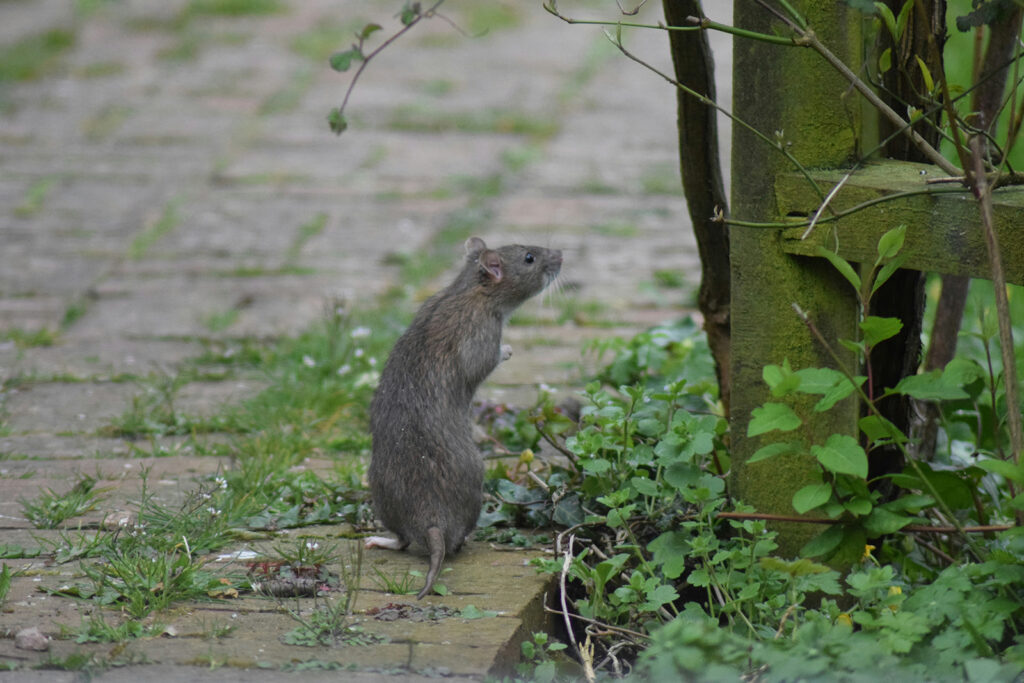
Rats are expert hiders. They exploit gaps we never notice, travel through pipes we forget exist, and nest in spaces we rarely think to inspect. If you suspect a rat problem – or simply want to make sure you never have one – understanding where rats like to live, shelter, and breed is the first step. This guide helps you to understand ‘Where would rats be hiding in your home?’.
At BioActive Pest Control London, our certified rat exterminators carry out thorough internal and external inspections on every job. Below, we’ve broken down the most common rat harbourage areas across residential and commercial properties, so you know exactly what we’re looking for – and what to look out for yourself.
Rats need three things to thrive: food, water, and shelter. Remove any one of these, and you make your property significantly less attractive to them.
Outside Your Property: External Harborage Areas
Many rat infestations begin outside before rats find their way in. These are the external hotspots our inspectors check first.
Garden Debris and Overgrown Areas
Long grass, dense shrubs, log piles, and compost heaps all provide excellent cover for rats. They offer warmth, protection from predators, and often a food source. Overgrown borders against walls and fences are a particularly common nesting spot because they combine shelter with a direct route to the building.
- Keep grass cut short and borders tidy
- Store log piles away from the property boundary
- Use sealed compost bins rather than open heaps
Sheds, Garages, and Outbuildings
Detached structures are frequently overlooked during pest inspections, but they are a prime target. Rats can squeeze through gaps as small as 10–15mm – roughly the size of a £1 coin – making poorly sealed sheds and garages easy entry points. Cluttered interiors provide ideal nesting conditions.
- Inspect the base of outbuilding walls for gnaw marks or burrow entrances
- Check for gaps around doors, windows, and utility entry points
- Reduce clutter to eliminate nesting opportunities
Beneath Decking and Patios
Decking is one of the most common rat harbourages in UK gardens. The dark, enclosed space underneath is sheltered from weather and predators, and often sits close to the house – making it a perfect staging post for rats looking to move inside. The same applies to raised patios and block-paved areas with voids beneath.
- Fit mesh skirting around the base of decking to block access
- Check for fresh burrow entrances around the perimeter
- Avoid storing bags of soil, bird seed, or pet food beneath or near decking
Drains, Gullies, and Underground Drainage
Rats are strong swimmers and will readily travel through drainage systems. Broken or damaged drain pipes, uncapped drain openings, and deteriorating inspection chambers are among the most common entry routes into properties. Our technicians are fully certified in drainage assessments – an expertise that goes well beyond what standard pest control offers.
A BioActive drainage survey can identify breaks, root intrusion, and rat runs inside your drainage system – issues that are invisible until probed.
- Have drainage surveyed if you have a recurring or unexplained infestation
- Ensure drain covers are fitted and intact
- Check external gullies for signs of rat activity around the edges
Boundary Walls, Fences, and Neighbouring Properties
Rats follow established routes – known as runs – often running along the base of walls and fences. These routes can lead directly from a neighbouring garden, a commercial premises, or a local alleyway. If surrounding properties have a rat problem, yours is at risk.
- Look for smear marks (dark greasy streaks) along the base of walls
- Check for gnaw damage or tunnelling at the base of fence panels
Inside Your Property: Internal Harborage Areas
Once rats are inside, they move fast and breed faster. A single pair of rats can produce up to 200 offspring in a year under the right conditions. Knowing where to look internally is critical for early detection.
Loft Spaces and Roof Voids
Roof rats – also called black rats – are particularly adept climbers and will readily access loft spaces via roof lines, overhanging trees, and gaps around roofing timbers. Once inside a loft, they are well insulated, undisturbed, and close to potential nesting materials. Signs include droppings, scratching sounds at night, and gnaw marks on joists or insulation.
- Check around eaves, fascia boards, and where utilities enter the roof space
- Inspect insulation for nesting or disturbance
- Listen for scratching or movement after dark – rats are nocturnal
Wall Cavities
Cavity walls are a hidden highway for rats. They travel vertically between floors, accessing different parts of a building entirely unseen. Entry is typically via an external gap at ground level, around pipework, or through voids beneath floorboards. If you hear scratching inside your walls, do not assume it will resolve itself.
- Unusual sounds from inside walls warrant an immediate inspection
- Check where pipework penetrates walls – gaps should be sealed with fire-rated materials
Beneath Floorboards and Subfloor Voids
Suspended timber floors common in older UK properties can conceal large subfloor voids that rats use as a network of tunnels and nesting sites. Access is usually gained from outside via an airbrick or internal gap. These areas are dark, undisturbed, and often warm – everything a rat needs.
- Ensure airbricks are intact and fitted with rodent-proof mesh
- Check floor edges and skirting boards for gnaw marks
- A damp or musty smell from under the floor can indicate an active harborage
Kitchens and Utility Rooms
The kitchen is the most common internal location for rat activity, for obvious reasons. But it’s not just the food itself that attracts them – it’s the entire environment. Behind and beneath appliances, inside wall voids adjacent to the sink, and around pipework under the units all provide sheltered, warm spaces close to a consistent food source.
- Check behind the oven, fridge, and dishwasher for droppings
- Inspect the gap beneath kitchen units at floor level
- Look for gnaw marks on packaging in cupboards – rats will chew through cardboard and plastic
Boiler Rooms, Airing Cupboards, and Utility Areas
Warmth is a major draw for rats, especially in winter. Boiler rooms and airing cupboards, along with any room containing lagged pipes, water tanks, or electrical equipment, are frequently targeted. These spaces are also typically low-traffic, meaning an infestation can establish itself before it’s discovered.
- Inspect behind the boiler and around the hot water tank
- Check the gap between lagging and the wall
- Ensure any access panels to utility areas are secure and well-fitted
Basements and Cellars
Properties with basements or cellars present a particular challenge. These spaces are typically dark, damp, and rarely disturbed – ideal nesting conditions. They are also often located close to drainage infrastructure, creating easy access routes from the outside. If your property has a cellar you rarely visit, a rat infestation could be well established before any signs reach the upper floors.
- Carry out periodic inspections even if the space is not in regular use
- Check for burrowing activity around the base of cellar walls
- Install lighting – rats prefer darkness and are deterred by well-lit spaces
The Role of Water: Why Damp Areas Are High Risk
This is a factor many people overlook. Rats need a regular water source to survive – typically consuming 15–30ml per day. This means any area with a reliable water source becomes a prime habitat. It’s not just about where the food is.
Common water sources that attract rats to a property include:
- Leaking pipes – even a slow drip beneath a kitchen unit or behind a wall provides adequate water
- Condensation build-up in poorly ventilated subfloor voids or basements
- Standing water in gullies, waterbutts, and low-lying areas of the garden
- Damp insulation or saturated soil adjacent to foundations
Identifying and resolving moisture issues is therefore a core part of any comprehensive rat treatment strategy. Our team will flag any water-related vulnerabilities during inspection and advise on remediation alongside the pest control measures.
Fixing a leaking pipe under your kitchen can be as important as laying bait – removing the water source makes the entire environment less viable for rats.
What to Do If You Suspect Rats
If you have seen a rat, heard unexplained scratching, found droppings, or noticed gnaw damage, the most important thing is to act quickly. Rat populations grow rapidly, and the longer an infestation is left, the more complex and costly it becomes to resolve.
BioActive provides Rat Control and Rat Proofing Services across London:
- Full internal and external property inspections
- Drainage surveys and building assessments carried out by certified technicians
- Targeted rat treatment programmes tailored to your property
- Proofing and prevention advice to stop future infestations
Call BioActive Pest Control London today for a professional survey.
Don’t wait – rats won’t.
